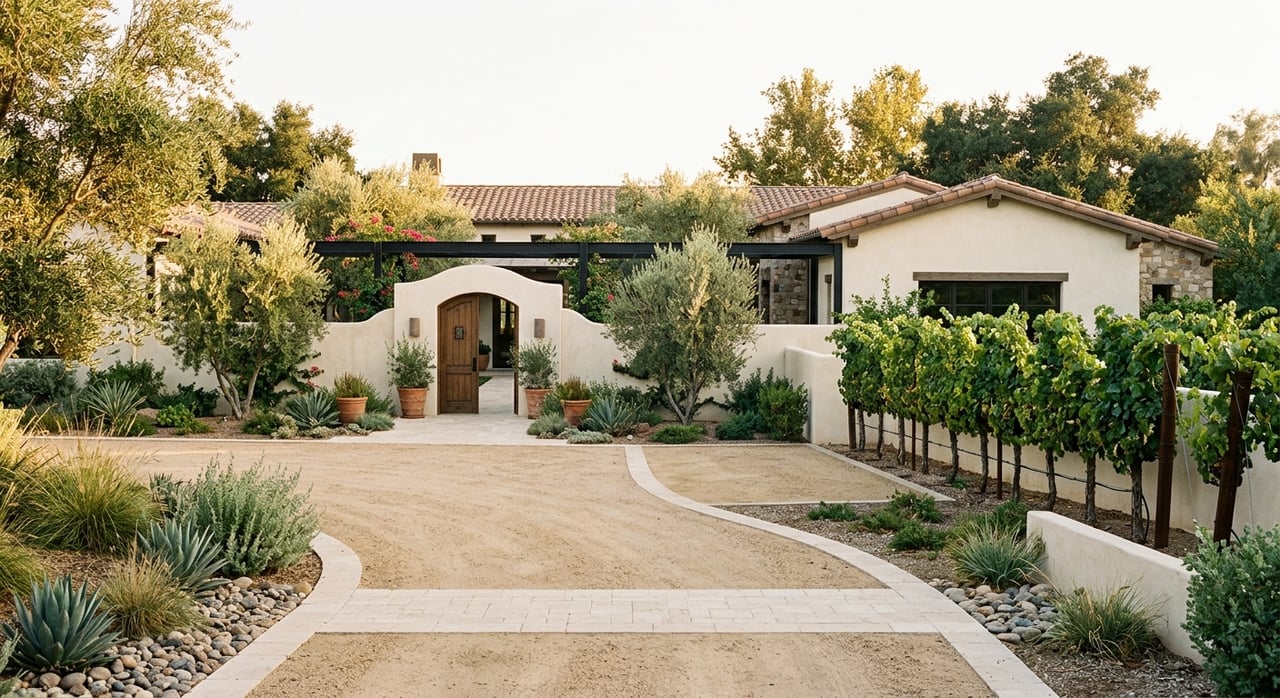
Looking at land in Temecula Wine Country can feel exciting and a little overwhelming at the same time. One parcel may offer sweeping views, another may support vineyard use, and another may seem flexible until you start sorting through zoning, water, septic, and access. If you want to make a smart choice that fits your lifestyle and long-term plans, the key is knowing what to compare before you fall in love with a property. Let’s dive in.
Start With Your End Goal
The right Temecula Wine Country parcel depends less on the style of home you imagine and more on how you plan to use the land. In this area, parcel choice is often shaped by zoning, infrastructure, and the entitlement path tied to the property.
That matters because Riverside County oversees land-use enforcement in unincorporated areas, and county departments may also be involved in permits related to wells and similar systems. In Temecula Wine Country, the county ordinance separates winery, existing-winery, equestrian, residential, and citrus/vineyard zones, so your intended use should guide your search from day one.
A simple way to think about it is this: some parcels are best for operating uses, some are best for lifestyle, and some are best for flexibility. Once you know which lane fits you, your search becomes much more focused.
Vineyard Parcels for Working Land
If you want land that does more than frame a beautiful view, a vineyard-focused parcel may be the strongest fit. These properties are often best for buyers who want a residence along with agricultural use or a vineyard-related business path.
The WC-W zone allows one-family dwellings, vineyards, groves, equine lands, field crops, temporary agricultural sales stands, cottage inns, and certain winery types. The C/V zone also supports winery uses tied to an established on-site vineyard and requires a 20-acre minimum gross parcel size for winery-related uses.
That makes these parcels especially appealing if you are thinking beyond a homesite. In Temecula Valley, the area also appears on the TTB list of established AVAs, so vineyard parcels are often evaluated as agricultural assets as well as residential property.
What to expect with vineyard use
The upside is potential productivity from the land itself. At the same time, the details matter because some winery approvals include production and sourcing requirements, and more intensive uses can require additional permits.
You should also expect more moving parts with a working parcel. Maintenance, service traffic, operations, and approval limits can all affect how the property functions day to day.
View Parcels for Lifestyle First
If your priority is privacy, scenery, and a custom home experience, a view-oriented residential parcel may be the better match. In many cases, WC-R is the cleanest fit for buyers who want a simpler residential use profile.
WC-R is the most residential of the Wine Country zones. One-family dwellings are allowed, and most subdivisions have a 5-acre minimum lot size.
For many buyers, this category offers the clearest path to a quiet estate setting. If you are focused on outdoor living, space between neighbors, and long views, this may be where your search should begin.
What to know about residential design rules
A residential parcel still comes with important standards. If a parcel is part of a clustered subdivision, the code requires at least 75% of the net project area to be preserved for vineyards and recorded Right-to-Farm covenants.
County design guidance also encourages low-profile rural or equestrian architecture, natural or earth-tone colors, and roof orientation that follows the terrain. These standards can shape how a home, guest structure, barn, or other improvements should look and sit on the land.
Mixed-Use Acreage for Flexibility
Some buyers want options. You may want horses now, a vineyard later, or a property that supports a residence while preserving future agricultural or small-scale commercial potential.
In that case, flexible acreage in zones such as C-C/V, C/V, or WC-E may deserve a closer look. Each of these zones supports a different mix of uses, so the exact fit depends on what you want the land to do over time.
C-C/V is intended to encourage agricultural cultivation, vineyards, wineries, and small-scale commercial uses that do not require high public services. C/V supports winery uses with an on-site vineyard and a 20-acre minimum for winery-related commercial uses. WC-E is the horse-forward option, allowing one-family dwellings, class I equestrian establishments, commercial-scale vineyards, other farm uses, limited livestock keeping, and larger-purchase equestrian uses.
Why flexible parcels need extra diligence
Flexibility can be valuable, but it usually comes with more homework. You need to confirm not just what is allowed today, but also what infrastructure and approvals would support your intended use.
Water may come from a district system or from an individual well in some vineyard zones. Riverside County Environmental Health handles water-well permitting, and county permit pages flag septic- and well-related reviews as common issues.
Wastewater planning is also a live issue in Temecula Wine Country. EMWD is extending sewer lines on Rancho California, Glen Oaks, East Benton, De Portola, and Butterfield Stage, with completion expected in late 2026, so a parcel’s current setup and future connection potential can affect both use and long-term value.
Why Infrastructure Matters So Much
In Temecula Wine Country, infrastructure is not a side note. It is a major part of parcel value.
Riverside County has continued investing in Wine Country infrastructure, including an EIFD and sewer projects. At the same time, EMWD is still extending sewer lines because many wineries have outgrown septic systems.
That means you should avoid making assumptions based on a parcel’s appearance alone. A beautiful lot may still require deeper review of water source, wastewater plan, road access, and any utility changes that could affect future costs or opportunities.
Key Items to Verify Before You Buy
Before you choose a parcel, slow the process down enough to verify the property’s fundamentals. This is where careful due diligence can save time, money, and frustration.
Confirm zoning and approvals
Start with the exact zoning designation. You should also ask about prior conditions of approval, plot plans, and any entitlement limits that may affect how the parcel can be used.
Riverside County Code Enforcement handles land-use and zoning issues in unincorporated areas. That makes county-level confirmation especially important in Wine Country.
Review water and wastewater
Ask whether the parcel uses district water, a private well, septic, or may connect to future sewer service. These details are not minor because they can affect development plans, ongoing operation, and overall parcel value.
In this market, wastewater assumptions can change over time as sewer work expands. What works for a residential parcel may not work the same way for agricultural, equestrian, or winery-related use.
Check fire exposure and access
Fire exposure should be part of your early review, not an afterthought. CAL FIRE hazard maps classify areas as moderate, high, or very high hazard, and the county fire department serves unincorporated Wine Country.
You will also want to look closely at access. A parcel’s driveway, approach, and road connection can influence daily convenience and may matter even more if your intended use includes equipment, deliveries, or visitor traffic.
Understand design compatibility
Temecula Wine Country has design guidance that favors low-profile rural or equestrian architecture and natural tones. Right-to-Farm rules may also affect how a home, barn, tasting room, or guest structure should function in relation to surrounding agricultural uses.
This matters whether you are building a luxury custom home or planning a more active property. Good parcel selection is about matching your vision to what the site and the county framework can realistically support.
A Simple Way to Narrow Your Search
If you are comparing several parcels and feeling stuck, try sorting them into three buckets.
- Vineyard parcels are usually best for buyers who want the land to produce something.
- View parcels are usually best for buyers who want a residential lifestyle with scenery and privacy first.
- Mixed-use parcels are usually best for buyers who want future flexibility for horses, agriculture, or limited commercial potential.
That framework can help you stay objective when a property is visually appealing but not actually aligned with your goals. In Wine Country, the best parcel is rarely just the prettiest one. It is the one with the right combination of use, infrastructure, and long-term fit.
Choosing With Confidence
Buying land in Temecula Wine Country is different from buying a typical homesite. Zoning, wells, septic, future sewer access, design guidance, and operational goals all play a bigger role here than many buyers expect.
When you match the parcel to your real priorities from the start, the process becomes clearer. Whether you want vineyard-ready acreage, equestrian flexibility, or a view-driven custom estate, the right guidance can help you spot both the opportunities and the limits before you commit.
If you want a thoughtful, local perspective on Temecula Wine Country parcels, Andrea Lynn Duncan can help you evaluate the details with clarity and confidence.
FAQs
What is the best zoning for a vineyard parcel in Temecula Wine Country?
- For vineyard-focused use, buyers often study WC-W or C/V parcels closely because those zones support vineyard-related uses, and C/V allows winery uses tied to an established on-site vineyard with a 20-acre minimum gross parcel size for those winery uses.
What is the best parcel type for a custom home with views in Temecula Wine Country?
- If your main goal is a residential estate with privacy and scenery, WC-R is often the clearest fit because it is the most residential Wine Country zone and allows one-family dwellings.
What should buyers verify before buying land in Temecula Wine Country?
- Buyers should verify the exact zoning designation, prior approvals or entitlement limits, water source, wastewater plan, fire exposure, access, and any design guidance or Right-to-Farm rules that may affect the property.
Are sewer and septic important when choosing a Temecula Wine Country parcel?
- Yes. Wastewater planning is a major factor because some parcels rely on septic, some may have future sewer potential, and EMWD is extending sewer lines in parts of Wine Country through late 2026.
Can a Temecula Wine Country parcel support horses and agriculture?
- Some can. WC-E is the horse-focused option and allows one-family dwellings, class I equestrian establishments, commercial-scale vineyards, and other farm uses, while other zones may support different agricultural uses depending on the parcel.
Why does infrastructure affect Temecula Wine Country land value?
- Infrastructure affects how the parcel can be used now and in the future. Water, wells, septic, sewer expansion, road access, and permit requirements can all influence cost, convenience, and long-term flexibility.