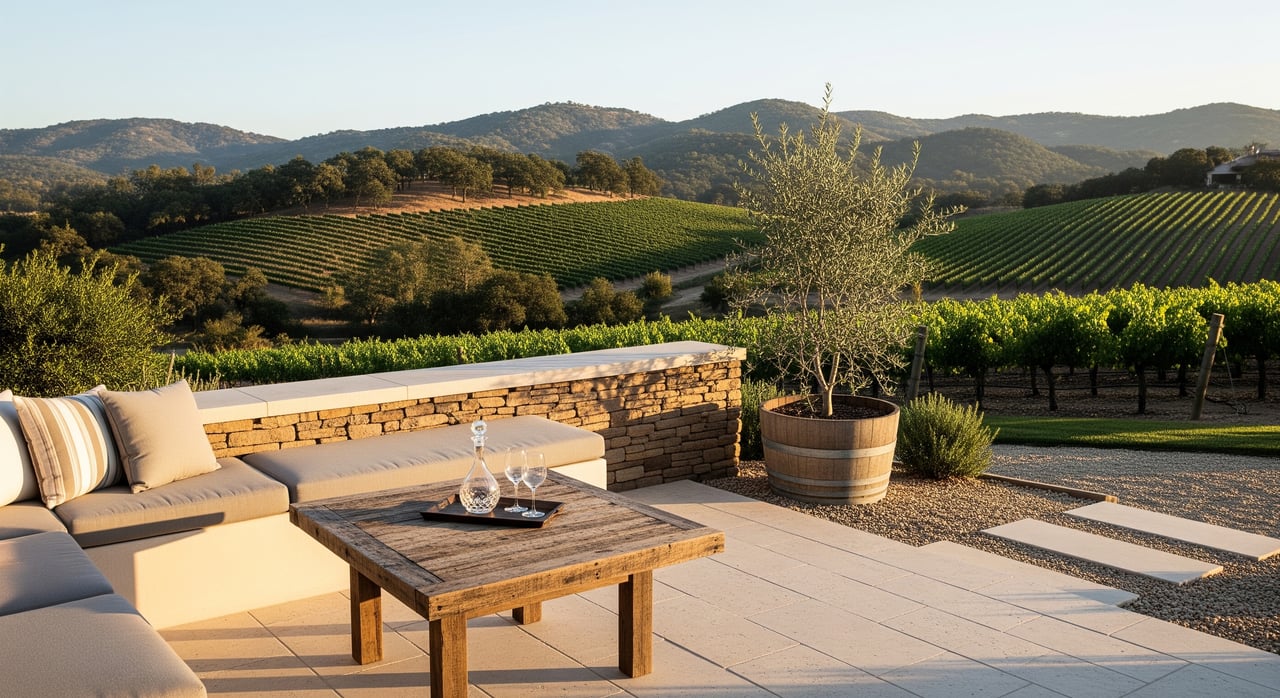
Imagine waking up to quiet hills blanketed in vines as hot-air balloons lift with the sunrise. If you are curious about what daily life actually feels like in Temecula Wine Country, you are not alone. Buying here is as much about lifestyle as it is about the home. This guide walks you through morning rhythms, weekday routines, weekend fun, and the practical details like utilities, zoning, and wildfire readiness so you can decide if this is the right fit for you. Let’s dive in.
Morning rhythms in the vines
Mornings are calm and bright, with long views across vineyard rows and the soft whoosh of balloon burners at daybreak. If you own an estate or hobby vines, early hours often mean irrigation checks, pruning during the season, or coordinating vineyard crews. Equestrian owners may start with feeding, turnout, and barn chores before the day warms up. The Mediterranean climate means crisp winter mornings and hot, dry summer afternoons, so many outdoor tasks happen early.
Weekday routines and commute
On weekdays, life blends country calm with suburban convenience. You might drop kids at school, grab coffee, and head out to work or log on from a home office. Many residents commute to jobs elsewhere in Riverside County, the Inland Empire, Orange County, or San Diego County, while others work in local hospitality, healthcare, or service industries.
School runs and errands
Public schools in the area are served by Temecula Valley Unified School District, with several private options as well. Day-to-day errands are easy thanks to city shopping centers, grocery stores, and services. Old Town Temecula adds a historic main street feel with restaurants, boutiques, and occasional weekday markets.
Driving I-15
Interstate 15 is the main north-south route for regional travel. Traffic can build during standard commute windows, so you will plan around peak hours if you drive to larger job centers. Many residents schedule flexible work hours, carpool, or combine remote and in-office days to balance drive time with the Wine Country lifestyle.
Evenings and weekends
Evenings are relaxed and social. You can wind down at a tasting room with live music on select nights, meet friends for dinner in Old Town, or enjoy quiet patio time at home. Weekends bring more visitors to winery corridors and Old Town, which adds energy and can increase traffic on popular routes.
Dining and tasting rooms
The valley is home to roughly 40 to 50 operational wineries at any given time, and many host events, music nights, or seasonal celebrations. You can sample new releases, pair tastings with food offerings, or reserve special experiences with views over the vines. If you prefer a quieter night, you will find plenty of cafes and restaurants beyond the tasting-room areas.
Outdoors and events
Weekend life leans outdoors. Residents hike and mountain bike local trails, visit ecological preserves like the nearby Santa Rosa Plateau, tee up at local golf courses, or book a sunrise balloon flight. Seasonal markets and festivals give you a reason to explore Old Town and connect with the local community.
Home types and property setup
Temecula Wine Country includes a mix of single-family homes in planned neighborhoods, gated estates, custom homes on larger lots, and equestrian or vineyard-ready parcels. Estate and agricultural properties feel more rural and private, with wider views and more land to manage. Planned communities closer to major roads offer quicker access to shops, schools, and HOA amenities.
Estate and vineyard parcels
If you plan to grow grapes, you will budget for irrigation, seasonal pruning and harvest work, and specialized equipment. Some owners keep small hobby plots, while others invest in larger vineyard operations. Even if you do not plant vines, larger lots often include extensive landscaping that needs smart irrigation and drought-aware upkeep.
Equestrian properties
For horse owners, daily life centers on turnout schedules, feeding, and arena or trail time. You will consider barn layout, tack storage, manure management, and vehicle access for farriers and hay delivery. Proximity to riding trails and correct zoning for equestrian use are key.
Utilities and connectivity
Water and irrigation
Larger parcels may use municipal water, private wells, or a combination. Vineyard irrigation and extensive landscaping can increase water needs compared with typical suburban yards. Smart controllers, drip systems, and drought-tolerant plantings help manage costs and conserve resources.
Sewer and septic
Most neighborhoods near town connect to municipal sewer, while many rural parcels rely on septic systems. Confirm system type during due diligence and plan for regular inspections and maintenance. Understanding capacity and setback requirements matters if you plan to expand or add structures.
Internet and cell
Connectivity is strong in built-up areas and around Old Town, but it can vary on remote hilltops or in pockets of Wine Country. If you work from home or run a data-heavy business, verify broadband availability at the address before you commit. Cell coverage can also vary, so test your carrier in and around the property.
Wildfire readiness and insurance
Defensible space basics
Like much of inland Southern California, Temecula Wine Country faces seasonal wildfire risk, especially in late summer and fall when Santa Ana winds can occur. Homeowners commonly create defensible space, choose fire-resistant landscaping and construction materials, and follow local fire department and CAL FIRE guidance. Routine maintenance such as clearing brush and cleaning gutters is part of living in the wildland-urban interface.
Insurance checkups
Wildfire exposure can affect homeowners insurance availability and premiums. If you are shopping for property, obtain insurance quotes early in your process. Factor coverage, deductibles, and any mitigation requirements into your total cost of ownership.
Zoning, permits, and uses
Agricultural use
If you plan any agricultural activity, check city and county zoning for your parcel. Working vineyards may involve specific land-use rules, water rights considerations, and pesticide or farm labor regulations. Clear planning up front helps you avoid costly changes later.
Tasting rooms and events
Operating a commercial winery, tasting room, or hosting events requires the correct permits. You will coordinate with city or county planning for use permits and with state agencies such as Alcoholic Beverage Control for licensing. Sound, parking, and occupancy standards typically apply for event spaces.
Everyday conveniences
Shopping and Old Town
Old Town Temecula serves as a cultural hub with restaurants, boutiques, and markets. Across the city, multiple shopping centers, grocers, and services make daily errands straightforward. You can enjoy wine country privacy without giving up essential conveniences.
Healthcare access
Local hospitals, urgent care centers, and clinics serve day-to-day medical needs. For specialized care, many residents travel to larger regional medical centers in Riverside, San Diego, or Orange County. Emergency services and fire protection are provided by regional agencies, with active community preparedness programs.
Schools overview
Public schooling is primarily through Temecula Valley Unified School District. Several private school options are available in the broader area. Families often choose neighborhoods based on commute patterns, property size preferences, and proximity to activities.
Getting around
Interstate 15 connects Temecula to major job hubs to the north and south. Local and regional bus services operate, but long-distance commuter rail options are limited, so most residents rely on private vehicles. For travel, the nearest major airports are San Diego International and Ontario International, with drive times that vary by traffic.
Is Wine Country right for you?
You might thrive here if you want:
- Space, privacy, and a strong connection to the outdoors.
- The option to cultivate vines, keep horses, or pursue small-scale agriculture.
- A relaxed, social weekend rhythm built around wineries, dining, and trails.
- A home base within reach of regional job centers while enjoying a rural feel.
Consider the following before you buy:
- Property maintenance needs for larger lots, vineyards, or equestrian facilities.
- Water sources, irrigation systems, and septic considerations.
- Wildfire readiness costs, including defensible space and insurance.
- Zoning and permit realities if you plan a tasting room, events, or farm operations.
- Internet and cell reliability for your address if you plan to work from home.
If you are weighing these trade-offs or imagining the right mix of land, views, and access, local expertise can save you time and money. For tailored guidance on vineyard-ready parcels, equestrian estates, and luxury acreage in the Temecula foothills, connect with Andrea Lynn Duncan.
FAQs
What is daily life like in Temecula Wine Country?
- Expect quiet mornings among vineyards, typical suburban weekday routines with I-15 access, and relaxed evenings with tasting rooms, Old Town dining, and outdoor time.
How do utilities work for vineyard or acreage homes?
- Larger properties may use municipal water, wells, or both, rely on septic in rural areas, and require robust irrigation; verify systems and costs during due diligence.
How busy do weekends get in winery areas and Old Town?
- Weekends draw visitors to tasting-room corridors and Old Town, so expect more traffic, event activity, and a lively atmosphere in popular spots.
What should I know about wildfire risk and insurance?
- Seasonal wildfire risk is real; create defensible space, use fire-resistant materials, and secure insurance quotes early to understand coverage and costs.
What commute options exist for residents who work elsewhere?
- Most people drive via I-15 to regional job centers; local buses exist, but limited long-distance rail means private vehicles are the norm for commuting.
Can I open a tasting room or host events on my property?
- Commercial uses require permits and compliance with city or county zoning plus state alcohol licensing; plan early to meet parking, sound, and occupancy rules.