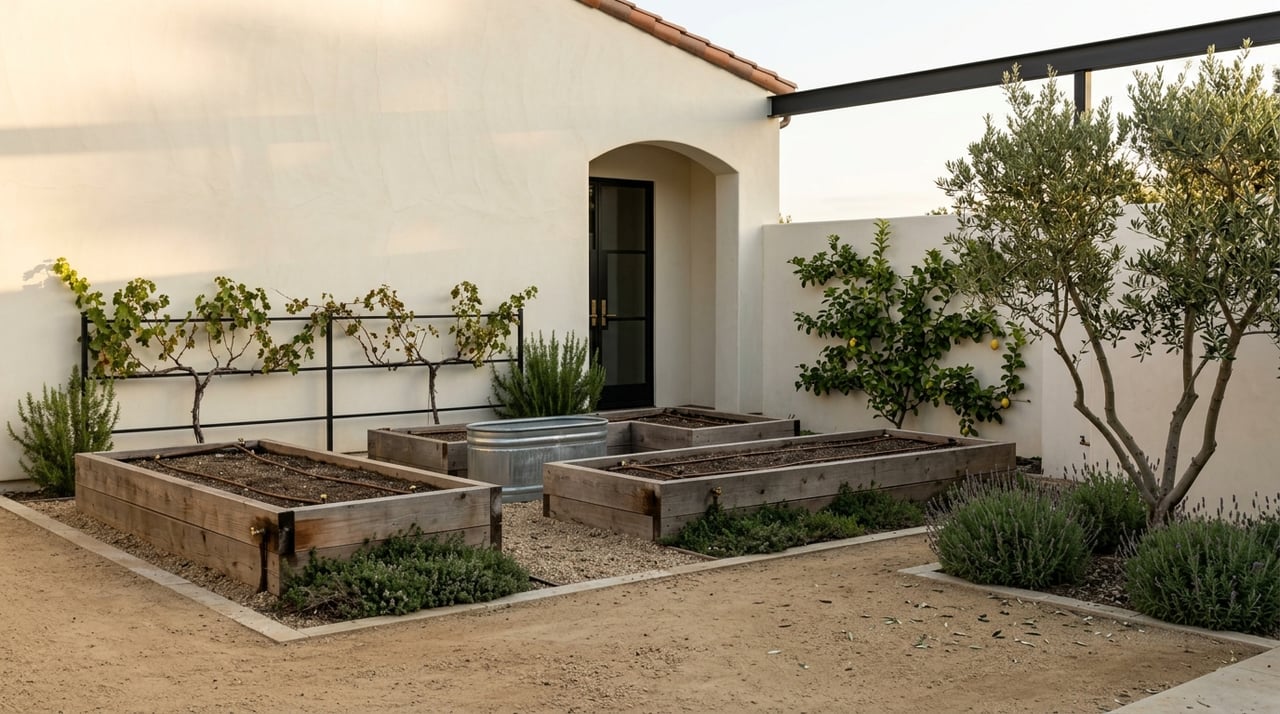
If you picture life in Temecula Wine Country, chances are you imagine more than just beautiful views. You may be dreaming about clipping fresh herbs for dinner, picking fruit from your own trees, or enjoying a small vine row that reflects the land around you. In this part of Riverside County, that vision can be realistic when you match your plans to the property, the climate, and the county’s rural framework. Let’s take a closer look at what farm-to-table living can actually look like in Temecula Wine Country homes.
Why Temecula Wine Country Fits This Lifestyle
Temecula Valley is a federally designated American Viticultural Area, first established in 1984. Riverside County describes the area as a distinctive rural wine-country and equestrian landscape, supported by a unique microclimate and well-drained decomposed granite soils.
That matters if you want a home with an edible landscape. The region includes elevations of roughly 1,500 to 1,900 feet, with varying sub-regions, climate patterns, and soil conditions. In practical terms, that means your property’s microclimate and site layout can make a real difference in what grows well.
Temecula’s Mediterranean climate also supports a wide range of small-scale growing. You get warm, dry summers, cooler winters, about 14 inches of annual rainfall, and a daily rhythm that often includes morning mist, warm midday sun, afternoon breezes, and cooler nights.
What Farm-To-Table Means Here
In Temecula Wine Country, farm-to-table living usually means small-scale, property-based growing rather than large commercial farming. For many homeowners, that looks like a kitchen garden, a few fruit trees, olive trees, raised beds, or a hobby vine block rather than broad-acre production.
Riverside County’s planning framework helps explain why. The area is divided into four districts, including Winery, Residential, Equestrian, and North Wine Country, and minimum parcel standards vary by district and land use designation.
For example, the Southwest Area Plan includes a 2-acre minimum in the Rural Community-Estate Residential designation, while the Wine Country-Winery District uses a 10-acre minimum density. The plan also allows clustered residential projects with 1-acre minimum lots when at least 75 percent of the project area is permanently set aside as vineyards.
The county also requires adequate water resources and sewer and or septic capacity for development. That is one reason many homes are best suited to thoughtful edible landscaping and modest agricultural use instead of full-scale farming.
Best Plant Choices for Temecula Wine Country Homes
The most successful farm-to-table properties usually start with plants that fit the local climate and soil. In Temecula Wine Country, a few options stand out for both practicality and lifestyle appeal.
Grapes for a Classic Wine Country Feel
Grapes are a natural fit in this setting. UC IPM notes that grapes need full sun, well-drained soil, irrigation, and a trellis system for training.
If you are considering a small vine block, site placement matters. Vines can struggle when water is too limited, so irrigation planning should be part of the conversation from the start.
Olives for Low-Water Appeal
Olives are a strong choice if you want a beautiful, low-water planting once established. They do best in full sun, prefer relatively little water after establishment, and do not tolerate saturated soils.
For many acreage properties, olives can be both useful and visually aligned with the Wine Country setting. They often complement the architecture and outdoor lifestyle buyers already love in this area.
Citrus for Sunny, Protected Spots
Citrus can work well in warm, sunny, frost-protected locations. UC IPM notes that citrus is one of California’s most common backyard fruit tree categories, and that heat needs vary by variety.
In inland valleys, navel oranges perform especially well. If your lot has a warmer pocket near the home or a sheltered courtyard area, citrus may be a smart addition.
Pomegranates for Careful Site Selection
Pomegranates can be rewarding, but they need more careful siting. They have a short chilling requirement, yet they are sensitive to fall and spring frost.
That means success often comes down to choosing the right location and maintaining consistent watering practices. On some parcels, a small test planting may make more sense than a larger commitment.
Figs for Sunny, Well-Drained Areas
Figs are another realistic option when drainage is good. UC IPM recommends full sun and well-drained soil, and suggests using a berm or mound when drainage is poor.
Moisture consistency matters here too. Inconsistent watering can reduce fruit production, so a simple irrigation plan can make a noticeable difference.
Kitchen Gardens for Everyday Harvests
For many homeowners, the most enjoyable part of farm-to-table living is the kitchen garden. UC Master Gardener guidance notes that California can grow many vegetable crops throughout the year, and cool-season crops do best between 55 and 75 degrees.
That opens the door to seasonal planting patterns rather than a one-size-fits-all garden. If you like cooking at home, raised beds for herbs, greens, and rotating vegetables may give you the most daily value from the space.
How to Plan an Edible Landscape
A successful edible landscape in Temecula Wine Country starts with the land itself. Riverside County’s design guidance says development in the area should respect natural topography, soil quality, drainage patterns, and scenic vistas.
For you as a homeowner, that means avoiding a copy-and-paste approach. The best results usually come from studying where the sun falls, where drainage is strongest, and where prior disturbance has already occurred on the site.
Start With the Sunniest Areas
Most productive edible plants need strong sunlight. Grapes, olives, figs, and many vegetables will perform best in open, bright locations with enough room for air flow and maintenance.
Before planting, it helps to observe your lot through different times of day. A spot that looks usable in the morning may not be your best growing area by late afternoon.
Pay Attention to Drainage
The research for this region repeatedly points back to drainage. Temecula Wine Country is known for well-drained decomposed granite soils, but conditions can still vary from parcel to parcel.
If part of your property holds water, raised beds, berms, or mounded planting areas may be the better solution. Matching the crop to the drainage pattern can prevent frustration later.
Match Irrigation to the Crop
Not every edible planting has the same water needs. Grapes need irrigation, citrus and figs benefit from consistent moisture, and olives generally prefer less water once established.
A thoughtful layout can help you group plants by water use. That makes ongoing care simpler and can support better long-term stewardship of the property.
Why Parcel Size and Zoning Matter
One of the biggest misconceptions about Wine Country living is that every larger lot can support the same kind of agricultural use. In reality, parcel size, district location, utility capacity, and site conditions all affect what is practical.
That is especially important if you are buying with a vision for vines, orchards, or expanded outdoor production. A property may feel ideal from the street, yet still require a closer look at water resources, septic or sewer capacity, and usable planting areas.
This is where local acreage knowledge becomes valuable. In Temecula Wine Country, lifestyle appeal and land function need to work together.
Fire Safety Should Shape the Layout
Farm-to-table living in a rural setting also means planning for safety. CAL FIRE states that 100 feet of defensible space is required by law around structures in fire-prone areas.
That affects how you place orchards, vines, shrubs, and other plantings near the home. A beautiful edible landscape should still account for setbacks, fuel reduction, and clear access around structures.
In many cases, the right design is both attractive and practical. You do not have to choose between enjoying the land and respecting fire planning requirements.
What Buyers Should Look For
If you are shopping for a home in Temecula Wine Country and want a farm-to-table lifestyle, it helps to look beyond the house itself. The right property often reveals its value in the details of the land.
Here are a few things to study closely:
- Sun exposure across different parts of the lot
- Drainage and soil behavior after irrigation or rain
- Existing disturbed areas where planting may fit more naturally
- Water resources and irrigation potential
- Space to maintain defensible clearance around structures
- Parcel layout that supports small-scale gardens, trees, or vines
A property does not need to be a working farm to deliver a meaningful farm-to-table experience. In many cases, a well-planned two-acre or estate-style parcel can offer exactly the kind of daily connection to the land that buyers want.
What Sellers Can Highlight
If you are selling a Temecula Wine Country home, your edible landscape or vineyard-ready features may add real lifestyle appeal when presented clearly. Buyers in this market often respond to details that show how the property lives, not just how it looks.
That might include productive garden beds, mature olive or citrus trees, trellis systems, frost-protected planting zones, or a layout that respects both views and usable land. The most effective marketing connects those features to the broader Wine Country lifestyle in a factual, polished way.
For acreage and lifestyle properties, presentation matters. Buyers tend to value properties more confidently when the land’s potential is explained with clarity and local context.
If you are considering buying or selling a Temecula Wine Country property with vineyard, orchard, or edible-landscape potential, Andrea Lynn Duncan offers the kind of local acreage insight and high-touch guidance that can help you evaluate the land with confidence.
FAQs
What does farm-to-table living in Temecula Wine Country usually look like?
- It usually means small-scale edible living such as kitchen gardens, fruit trees, olives, figs, citrus, or a hobby vine block rather than large commercial farming.
What plants grow well at Temecula Wine Country homes?
- Grapes, olives, citrus, pomegranates, figs, and seasonal vegetable gardens can all be realistic choices when the site has the right sun, drainage, irrigation, and frost protection.
Can you plant a vineyard at any Temecula Wine Country property?
- Not every property is equally suited for vineyard planting because parcel size, zoning framework, water resources, drainage, and site layout all affect what is practical.
Why is drainage important for Temecula edible landscaping?
- Many edible crops in Temecula Wine Country perform best in well-drained soil, and some may need berms or raised beds if part of the property holds water.
How does fire planning affect Temecula Wine Country gardens?
- Fire planning matters because California law requires 100 feet of defensible space around structures in fire-prone areas, so orchards, vines, and shrubs should be arranged with safety in mind.
What should buyers review when choosing a Temecula Wine Country home for gardening or vines?
- Buyers should review sun exposure, drainage, water resources, planting areas, parcel layout, and the ability to maintain defensible space around the home.