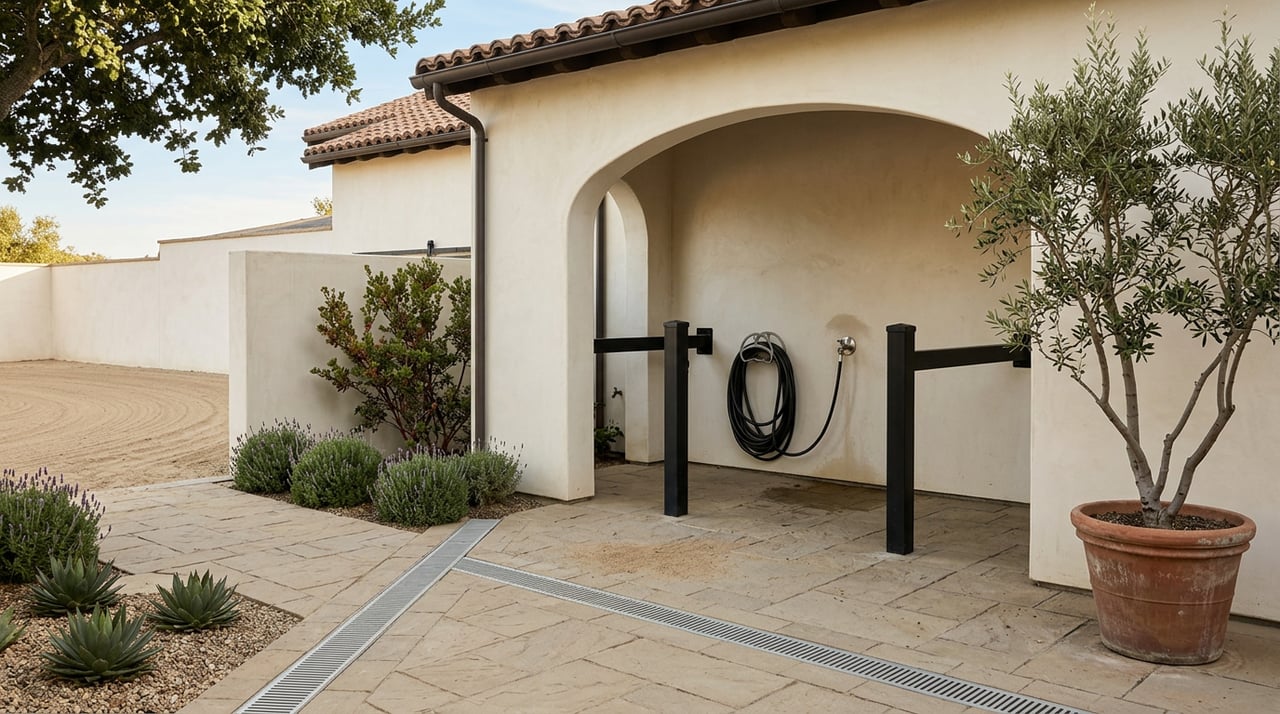
Dreaming of space for your horses, starry nights, and miles of riding right from home? La Cresta on the Santa Rosa Plateau offers exactly that, but buying your first equestrian estate is different from a typical suburban purchase. You need to understand zoning, wells and septic, fire safety, habitat rules, and how to assess barns and arenas. This guide gives you a clear checklist so you can buy with confidence and enjoy the lifestyle you want. Let’s dive in.
Why La Cresta appeals to riders
La Cresta is an upscale, unincorporated community west of Murrieta with large ranch parcels, oak woodlands, seasonal streams, and extensive riding access. Many areas feature five-acre minimum parcels, which suits private horse-keeping and privacy-focused living. Elevations run roughly 1,800 to 2,700 feet, which brings cooler evenings and coastal breezes compared to the valley floor. You’ll also find multiple HOAs that help manage roads and community trails, so you get a rural feel with organized stewardship of shared assets. For a general overview, explore the community’s site at the La Cresta website.
Zoning and permitted uses
Start with zoning. Much of La Cresta uses Riverside County’s Residential Agricultural designations that permit noncommercial horse-keeping on qualifying lots. Exact allowances depend on the parcel’s implementing zone, setbacks, and standards. Verify the parcel’s official zoning and General Plan designation early so you understand the number of animals allowed and whether any planned business activity counts as commercial. Review permitted uses in Riverside County’s R-A zoning section, then confirm details with County Planning using the APN.
Permits and unpermitted work
Barns, arenas, ADUs, and major improvements should have permits where required. Ask the seller for permit history and check County records for building, electrical, and plumbing work. Unpermitted barns or DIY electrical are common red flags and can be costly to correct. If you plan changes or a future equestrian business, consult County Planning or a land-use attorney during your contingency period.
Water, wells, and septic systems
Rural estates often rely on wells and onsite wastewater treatment systems. Protect your purchase by building these checks into your offer.
- Wells: Require a professional flow test in gallons per minute and a lab water-quality report for bacteria, nitrate, and total dissolved solids. Ask for any available well completion records filed with the state. See the state’s documentation guidance on well completion reports.
- District water: If the parcel has or can connect to district water, confirm meter availability, fees, and any fire service upgrades. For context on regional improvements that support fire response, review Rancho Water’s construction updates.
- Septic/OWTS: Request septic certifications, prior percolation tests, and permits. Riverside County enforces the State OWTS policy through its LAMP and requires qualified professionals for perc and OWTS work. Learn about local requirements on the County’s septic systems page.
Fire safety and defensible space
La Cresta sits in a wildland-urban interface, so fuel management and access matter for both safety and insurance. Ask for recent LE100 or defensible-space compliance records and check responsibilities for brush clearance along private roads and around structures. Expect requirements for fuel-modification zones and ongoing vegetation management. You can see regional pre-fire planning context in the CAL FIRE Riverside Unit Strategic Fire Plan.
Habitat and MSHCP considerations
Parts of the Santa Rosa Plateau contain sensitive habitats such as vernal pools and Engelmann oak savannas. If you plan new grading, barns, or arenas in undeveloped areas, include a biological constraints check in your due diligence. Some parcels fall within the Western Riverside County MSHCP, which can trigger surveys or mitigation. Review program details in the MSHCP documentation and confirm whether mapped constraints affect the property.
HOAs, private roads, and trail access
Many La Cresta neighborhoods have HOAs that handle private-road maintenance and manage community trails. Confirm whether the property is in an HOA, review CC&Rs, fees, and any recorded trail easements. Trail access can vary by association, so verify what membership includes before you buy. For a snapshot of local associations and private-road context, see HOA resources for La Cresta, then obtain the property’s actual HOA documents from the seller.
Riders also enjoy nearby public multi-use trails. The Santa Rosa Plateau Ecological Reserve and Sylvan Meadows offer mapped equestrian routes with seasonal rules. Before planning rides, confirm current access and guidelines through Riverside County Parks’ Santa Rosa Plateau page.
Inspecting barns, arenas, and paddocks
A standard home inspection is not enough for a working equestrian property. Bring equine-savvy specialists to protect your investment.
Barns and related structures
Look for solid foundations, sound roof framing, and no signs of settlement. Check posts and boards for rot or termite damage, and have a licensed electrician review all wiring for agricultural suitability. Separate, well-ventilated hay storage and good barn ventilation reduce fire risk and improve respiratory health. In wildfire country, make sure fuel-reduction plans include barn and hay areas, aligned with the regional fire planning guidance.
Arenas: base, drainage, and footing
Arenas live or die by their base and drainage. Ask a civil or arena contractor to core test the surface, check subgrade compaction, and evaluate perimeter drainage. A crowned or well-drained base supports consistent footing and reduces maintenance. For a technical framework on arena siting, base design, and trail-related standards, refer to the USFS equestrian design guide.
Paddocks, turnout, and fencing
Safe, visible fencing with smooth surfaces is essential. Many owners choose post-and-rail, pipe, or coated-wire systems. Inspect corner bracing, post spacing, gates, and animal flow between stalls, paddocks, and arenas. Avoid barbed wire and narrow-mesh livestock wire that can trap hooves. Height and mesh guidance can be found in the USFS equestrian design guide.
Water systems at the barn
Confirm that the well or district service can support domestic use, automatic waterers, wash bays, irrigation, and dust control. Document flow and pressure at multiple points. Plan for freeze protection at elevation and dust mitigation during dry months.
Soil, slope, and drainage
Ask a geotechnical or civil professional to evaluate slopes, soils, and any areas you plan to grade. Good drainage protects barns, paddocks, and arenas, and reduces long-term maintenance. If sensitive habitat or vernal pool features are present, factor in potential MSHCP reviews before committing to new improvements.
Manure handling and environmental controls
Designate a manure storage area on an impermeable or well-compacted pad with controlled runoff, placed downslope from wells and leach fields. Regular removal or managed composting reduces pests and helps protect water quality.
A smart due-diligence timeline
Use these steps to organize your offer and inspections.
- Pre-offer review
- Walk the property lines you can legally access, observe fencing, look for erosion or standing water, and note any heavy brush near structures.
- Ask for the APN, recent HOA documents, and a list of all improvements, including barns and arenas.
- Offer with targeted contingencies
- Title and CC&R review, general home inspection, equine-facility inspection, septic certification, well test, and a survey if acreage or boundaries are critical.
- Specialist inspections during the contingency period
- Home and barn inspector with agricultural experience to evaluate structure and electrical.
- C-42 sanitation contractor or registered PR for septic certification and perc records, aligned with County’s OWTS/LAMP requirements.
- C-57 well driller or hydrogeologist for flow and water-quality testing, plus a review of any well completion documentation.
- Civil or arena contractor to assess base, drainage, and footing conditions using standards reflected in the USFS guide.
- Fencing contractor and equine vet or farrier to review paddock layout, gates, and animal handling.
- Certified arborist for large oaks near structures.
- County Planning or a land-use attorney if you plan any commercial equestrian activity.
- Fire-readiness and insurance
- Confirm LE100 or defensible-space status and any outstanding brush work noted in the regional fire plan.
- Obtain insurance quotes early for personal horse use, and different coverage if any commercial boarding or training is planned.
Red flags to pause or stop a purchase
- Unpermitted barns, arenas, or major structures that could be costly to legalize.
- Septic system without certification, poor perc history, or an undersized drainfield for your plans. See County septic guidance.
- Well with low yield or water-quality concerns without recent, documented testing. Review well documentation basics.
- Heavy fuel loading near barns or hay storage and no defensible-space compliance, as highlighted in the regional fire plan.
- Mapped vernal pools or other MSHCP constraints that limit expansion without mitigation. Check the MSHCP overview.
- Unclear road access rights or costly private-road maintenance obligations in HOA records. Review HOA context via local HOA resources and verify the specific property documents.
Budgeting and planning upgrades
Even well-kept properties evolve as your program changes. Plan for footing top-offs, base repairs, high-traffic pad improvements, and fence upgrades over time. Smart sequencing starts with drainage and safety, then moves to performance upgrades like footing mixes or arena irrigation. Use technical references such as the USFS design guide to align project scope with best practices.
Ready to buy with confidence in La Cresta?
With the right plan, you can enjoy acreage living, direct trail access, and a property that truly fits your horse life. If you want a calm, expert process and guidance grounded in local zoning, wells, trail access, and microclimates, reach out to Andrea Lynn Duncan for a private consultation tailored to your goals.
FAQs
What zoning rules affect horse-keeping in La Cresta?
- Much of La Cresta uses Riverside County’s R-A designations that allow noncommercial horse-keeping on qualifying lots. Verify your parcel’s implementing zone and standards in the County’s R-A code section and confirm details with Planning using the APN.
How do I evaluate a private well on a La Cresta ranch?
- Order a professional flow test and lab water-quality report, then review any state-filed completion records. The state outlines basics in the well completion report guidance.
What should I know about septic systems on acreage properties?
- Request certifications, prior perc tests, and permits. Riverside County enforces the State OWTS policy via its LAMP, detailed on the County septic page. Use licensed professionals for inspections and repairs.
Are La Cresta properties in a high fire-risk area?
- Yes, the plateau borders significant wildland areas. Expect defensible-space requirements and ongoing vegetation management. See the CAL FIRE Riverside Unit Strategic Fire Plan for regional context.
Can habitat or the MSHCP limit new barns or arenas?
- If the parcel includes sensitive habitat or mapped features, the Western Riverside County MSHCP may require surveys or mitigation. Review the MSHCP overview and consult qualified specialists early.
How can I confirm trail access from a specific property?
- Verify recorded trail easements and HOA trail rules during due diligence. For regional public multi-use trails and seasonal guidelines, check Riverside County Parks’ Santa Rosa Plateau page.