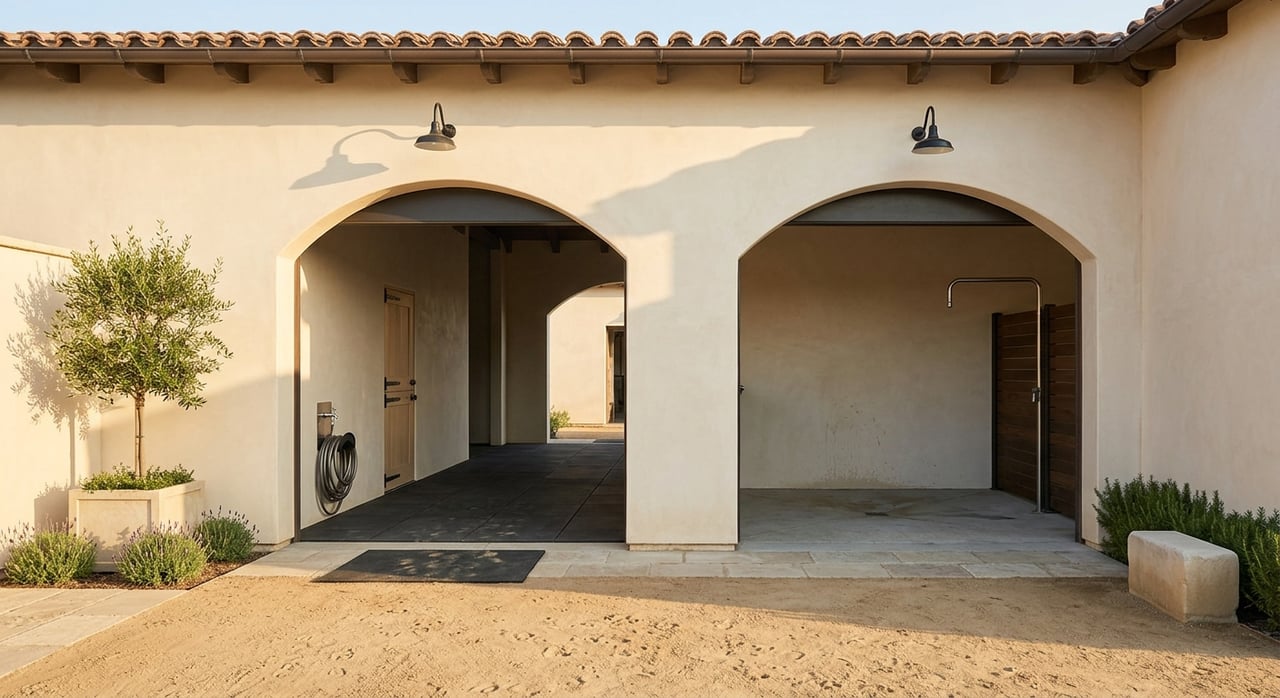
Are you looking at a La Cresta horse property and wondering whether it truly works for the way you live and ride? That is a smart question, because in La Cresta, beauty alone is never enough. You need to know how the land functions, what the zoning allows, how the water and septic systems perform, and whether trail access is real or just nearby. This guide will help you evaluate the details that matter most so you can make a confident decision. Let’s dive in.
Start With the Land
La Cresta is best understood as part of the Santa Rosa Plateau landscape, not as a typical suburban setting. Riverside County describes the broader plateau area as protected open space with multi-use trails, varied habitat, and an elevation of about 2,000 feet. That setting creates a unique lifestyle, but it also means your evaluation should go beyond the house itself.
The first question is not just how many acres a property has. The better question is how many of those acres are actually usable for horses, vehicles, structures, and daily movement. A large parcel can still have limited functional space if key areas are steep, poorly drained, awkwardly shaped, or hard to reach with a truck and trailer.
Focus on Usable Acreage
When you tour a property, picture the full daily setup. You may need room for stalls, turnouts, feed delivery, trailer parking, manure storage, wash racks, and an arena. If those pieces do not fit together well, the property can become expensive and frustrating to operate.
Pay close attention to how easily people, horses, and vehicles move around the site. A property that looks impressive from the driveway may still create bottlenecks, long walking paths, or difficult trailer turns once you start using it every day.
Watch Drainage Closely
Drainage is one of the most important things to inspect on any equestrian parcel. Research on riding surfaces shows that a good arena depends heavily on the sub-base and drainage, and the footing needs to be firm, cushioned, grippy, and consistent.
In practical terms, low spots, flat clay pads, and areas that collect runoff deserve extra caution. Those conditions can leave you with mud in winter, dust in summer, and ongoing maintenance costs. If the arena or turnout areas sit in the wrong part of the lot, the property may not perform the way you expect.
Verify Trail Access
Trail access is a major draw in La Cresta, but it needs careful verification. Riverside County notes that area trails are multi-purpose and that equestrians have priority on trail. At the same time, the public trail system is separate from private parcels.
That means proximity is not the same as access. A home near open space may still lack direct legal entry from the parcel itself.
Ask What Access Is Recorded
Before you rely on a property for riding convenience, confirm the exact nature of the access. You will want to know whether the parcel has:
- Recorded trail easement rights
- Direct gate access
- Only nearby proximity to public trails
- Any limitations on how access is used
This step matters because trail value can affect both your daily enjoyment and the long-term appeal of the property. In a market like La Cresta, that distinction is not minor.
Evaluate Barn Functionality
A barn should support safe, efficient daily use. It is easy to get distracted by finishes or style, but practical layout matters more over time. The best barn setups reduce labor, improve horse comfort, and make regular care more manageable.
As you walk the barn, think about how the property works from morning feed through evening turnout. Small inefficiencies tend to become big frustrations when repeated every day.
Check Barn Air Quality
Barn ventilation is a serious issue. Purdue Extension notes that dust, mold, manure, hay, and bedding all contribute to air quality problems, and many horse barns do not ventilate well enough.
Look for natural airflow, ridge or soffit venting, and a layout that does not trap dust over time. If hay is stored directly above stalls, that can create a steady dust source. A better setup often separates hay storage from horse areas when possible.
Review Daily Workflow
A good barn tour should include more than the stalls. Look at where horses are tacked up, how the wash rack drains, how manure is removed, whether lighting reaches every aisle and stall, and whether vehicles can turn around safely.
These details shape the everyday experience of owning the property. If the workflow feels awkward during a showing, it usually will not improve once you move in.
Look Hard at Arena and Turnout Design
The riding areas should support both horse health and practical upkeep. Even if an arena looks attractive at first glance, the underlying design matters far more than the visible surface.
A properly planned arena needs the right location, drainage pattern, and sub-base. If those pieces are weak, footing problems often return no matter how often the surface is refreshed.
Signs an Arena May Need Closer Review
Be alert for these common warning signs:
- Standing water or visible ponding
- Uneven surface consistency
- Noticeable low spots
- Arena placement in a runoff path
- Difficult access for maintenance equipment
- Dust buildup that suggests poor surface performance
Turnouts deserve the same level of attention. If they sit in poorly drained areas, they can become muddy, hard-packed, or difficult to maintain seasonally.
Confirm Water and Septic Early
In rural Riverside County, water and wastewater are core due diligence items. Riverside County Environmental Health oversees wells and septic systems, and septic installation, repair, or modification in unincorporated areas requires the appropriate OWTS application. New septic installation also requires a building permit, a percolation report, scale plans, and proof of established water service.
For buyers, this means water and septic should be reviewed early rather than late. These systems are central to whether the property can comfortably support both household use and equestrian use.
What to Ask About a Private Well
The State Water Board says private domestic wells are owned and maintained by the property owner and should be tested annually. Riverside County also requires permits for well construction, reconstruction, or destruction.
When evaluating a La Cresta parcel, ask about:
- Well depth
- Pump age
- Storage capacity
- Water quality history
- Whether the supply has supported horses and landscaping during dry seasons
A private well can be a strong asset, but only if you understand its condition and capacity.
What to Ask About Septic
For septic, you will want to know the system’s age, location, repair history, and whether its placement affects future plans. If you hope to add or reconfigure improvements, septic location can matter more than many buyers expect.
This is especially important on horse properties where turnout areas, barns, wash racks, drive paths, and future structures all compete for space. A septic system that works fine today may still limit what you can do next.
Check Zoning and Parcel Classification
Zoning can make or break an equestrian purchase. Riverside County states that the number of horses allowed depends on the property’s zoning. Some rural and agricultural zones may allow grazing horses at up to five per acre, while several residential zones allow only noncommercial keeping subject to lot size, width, and setback rules.
The key point is simple: acreage alone does not tell you what is allowed. You need to identify the zoning first and then review the specific standards tied to that parcel.
Questions to Answer Before You Buy
Your due diligence should include these zoning questions:
- How many horses can this parcel legally support?
- What setbacks apply to barns, arenas, or other structures?
- Is the current use consistent with zoning?
- Does the land use designation align with the zoning classification?
Riverside County also notes that if land use designation and zoning classification do not agree, a change-of-zone application may be required. That can affect both current use and future plans.
Review Preserve or Contract Status
Some parcels may be within an Agricultural Preserve or under a Williamson Act contract. County planning says these arrangements can offer tax relief, but they may also restrict land to agricultural or compatible open-space uses.
That is why it is wise to verify preserve or contract status before planning a new barn, second dwelling, or future subdivision. A property can be attractive on paper yet still place real limits on how you use or improve it.
Factor in Wildfire Exposure
Wildfire planning is part of evaluating any La Cresta property. CAL FIRE says Fire Hazard Severity Zone maps are based on factors such as fire history, fuels, topography, weather, flame length, and ember movement. The maps evaluate hazard rather than risk, which means site-specific conditions still matter.
For buyers, the goal is to understand how the parcel functions in real life. That includes defensible space, access, vegetation patterns, and how well the home and improvements appear prepared for this environment.
Think About the Whole Site
Because La Cresta sits within a protected habitat landscape, wildfire planning often overlaps with land management choices. Vegetation, grading sensitivity, and site design should be considered together rather than one at a time.
If the parcel needs major grading, retaining walls, or slope work, a geotechnical review may be appropriate. Riverside County planning materials reference site-specific geologic investigation and geotechnical review in certain hazard and grading situations.
Bring in the Right Specialists
Some properties are simple. Many La Cresta equestrian properties are not. When the parcel includes a private well, septic system, slope issues, or significant horse improvements, specialist input can save time and reduce surprises.
Depending on the property, you may want to consult:
- A septic professional for OWTS review
- A registered well driller or well specialist for water questions
- A farrier or equine facility consultant for stall and footing layout
- A geotechnical professional for major grading or slope concerns
The goal is not to overcomplicate the purchase. It is to match your due diligence to the complexity of the asset.
A Simple Way to Evaluate a La Cresta Horse Property
If you want a practical framework, start with five core questions:
- Does the parcel have enough usable land for how you plan to live and ride?
- Is the barn functional, ventilated, and easy to work in every day?
- Are the arena and turnouts located on the best-drained parts of the lot?
- Do the well, septic, zoning, and parcel classification support your plans?
- Is the trail connection real, recorded, and convenient?
If you can answer those questions clearly, you are already far ahead of many buyers. In La Cresta, that level of clarity often makes the difference between buying a beautiful property and buying the right one.
La Cresta equestrian real estate asks more of a buyer than a standard home search, but it also offers a lifestyle that is hard to match. When you evaluate the land, access, infrastructure, and legal framework together, you put yourself in a much stronger position to choose well.
If you want experienced guidance on a La Cresta equestrian property, Andrea Lynn Duncan can help you evaluate the details that matter and move forward with confidence.
FAQs
What should you evaluate first on a La Cresta equestrian property?
- Start with usable acreage, drainage, trail access, water, septic, and zoning before you focus on cosmetic features.
How important is trail access for a La Cresta horse property?
- Trail access can be a major amenity, but you should verify whether the property has recorded easement rights, direct gate access, or only proximity to public open space.
Why does drainage matter on a La Cresta equestrian parcel?
- Drainage affects arena performance, turnout conditions, maintenance costs, and year-round usability for both horses and owners.
What should you ask about a private well on a La Cresta property?
- Ask about well depth, pump age, storage capacity, water quality history, and whether the supply has supported both horses and landscaping during dry seasons.
How do zoning rules affect horse property use in La Cresta?
- Riverside County says horse allowances depend on zoning, lot size, width, setbacks, and whether the use is noncommercial or tied to rural or agricultural standards.
Why should you check for Agricultural Preserve or Williamson Act status in La Cresta?
- Preserve or contract status may offer tax benefits, but it can also limit future plans for building, land use changes, or subdivision.