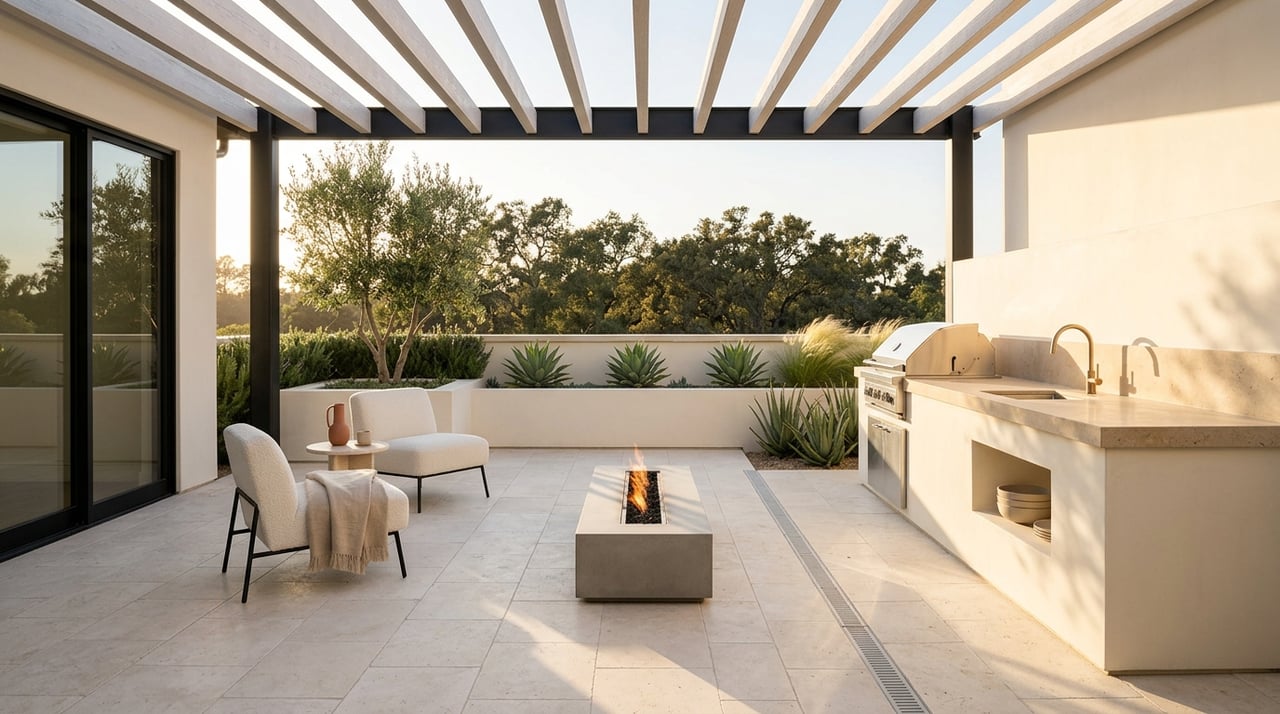
Dreaming about a backyard that actually fits La Cresta instead of fighting it? In view-estate settings like La Cresta View Estates, the best outdoor spaces are not the ones with the most features. They are the ones that respect the land, protect the views, and stay comfortable through hot afternoons, cool evenings, wind, and dry seasons. If you want ideas that feel elevated, practical, and true to the area’s rural character, this guide will help you think through what works here and why. Let’s dive in.
Design Around Views First
In La Cresta, outdoor living starts with the setting. Riverside County planning documents describe the broader area as rural and mountainous, with rolling hills, steep slopes, valleys, farms, and residential estates, along with an emphasis on preserving natural character and scenic vistas.
That means your outdoor layout should begin with the land itself. Before choosing finishes or furniture, it helps to identify your strongest sightlines, natural grade changes, and sunset-facing areas so your patio, lounge, or pool feels connected to the landscape.
Let the Landscape Lead
A great outdoor space in La Cresta usually feels placed, not imposed. Instead of forcing a large flat yard where the site naturally slopes, stepped terraces and gently layered seating zones often make more sense.
This approach can also support the area’s visual character. County guidance encourages development that minimizes heavy grading and respects the existing terrain, which makes hillside-sensitive design especially relevant for larger estate lots.
Frame the Horizon
If your home has long-range views, your outdoor design should protect them. Low-profile railings, open pergolas, and seating oriented toward the best outlooks can help keep the horizon as the focal point.
Planting matters here too. Rather than using dense landscaping that blocks the scenery, a better strategy is often to use lower plant layers and selective screening that adds softness and privacy without closing off the view.
Build for La Cresta’s Climate
Outdoor spaces in this part of Riverside County can be enjoyable through much of the year, but comfort does not happen by accident. A nearby NOAA climate-normal station shows hot, dry summers, mild winters, and only 9.37 inches of annual precipitation, with most rain falling in winter.
For you, that means shade, airflow, and durable materials should be at the center of the plan. It also means thinking about how your space will feel at different times of day, especially during peak summer heat and cooler evenings.
Prioritize Shade and Airflow
July and August average highs near the mid-90s in the inland benchmark data, so uncovered hardscape can heat up quickly. Pergolas, covered patios, and shaded dining zones can make a major difference in how often you actually use the space.
Open structures often work well in La Cresta because they create relief from the sun without feeling visually heavy. They also help preserve the relaxed, rural look that suits the plateau setting.
Plan for Cool Evenings
Even in warm climates, evening temperatures can feel noticeably cooler, especially in open hillside areas. Layered lighting, comfortable seating, and thoughtfully placed gathering zones can make your patio feel inviting after sunset.
The goal is balance. You want an outdoor room that feels easy and understated during the day, then warm and welcoming in the evening without overwhelming the site.
Use Terrain-Smart Patio Ideas
Patios and terraces in La Cresta should feel anchored to the hillside. County planning guidance supports design that fits the land and limits major cuts and fill, which makes a terrain-aware layout one of the smartest ways to approach outdoor living here.
Instead of thinking in terms of one oversized hardscape area, consider dividing the experience into connected spaces. A dining terrace, a small lounge, and a view-facing sitting area can often work better than one broad platform.
Step Spaces With the Slope
Stepped patios can create a more natural transition across a sloped lot. This kind of layout often reduces the need for oversized retaining walls and can make each zone feel more intimate.
It also helps outdoor areas feel more luxurious in a quiet way. When each level has a purpose and a view, the space tends to feel curated rather than overbuilt.
Choose Grounded Materials
Materials that echo the surrounding landscape usually feel most at home in La Cresta. Stone, pavers, and decomposed granite can complement the area’s natural textures and support a more timeless look.
This matters visually, but also practically. In a dry climate with strong sun, low-maintenance materials with an understated finish often age better than highly reflective or overly polished surfaces.
Place Pools and Kitchens Carefully
Pools, spas, and outdoor kitchens can absolutely work in La Cresta View Estates, but placement is everything. On view properties, these features should complement the setting rather than compete with it.
County policy emphasizes scenic vista protection and limiting light and glare impacts. In real terms, that means the most successful outdoor amenities usually feel integrated, discreet, and scaled to the site.
Keep the Pool in the View Story
A pool should support the visual flow of the property. If possible, it helps to place it where it connects to the main entertaining area and picks up key views without dominating the yard.
Simple shapes and restrained hardscape often work well in this setting. The goal is not to crowd the landscape, but to create a calm focal point that feels natural at golden hour and peaceful in daylight.
Tuck Away Utility Areas
Outdoor kitchens can add real function, especially if you entertain often, but service elements should stay discreet. Equipment pads, storage, and work zones are usually best placed where they are easy to access without interrupting major sightlines.
The same principle applies to pool equipment and other utility features. When these areas are visually quiet, the outdoor room feels more polished and the views remain front and center.
Balance Privacy With Open Space
One of the biggest design questions in La Cresta is how to preserve privacy without losing openness. On larger lots, privacy often comes from thoughtful placement and layered landscaping, not from closing everything off.
That approach also better matches the area’s rural and scenic character. A property can feel sheltered and serene while still maintaining long views and an airy sense of space.
Use Layered Screening
Instead of building a wall of planting, think in layers. Lower native or drought-tolerant plantings, selective shrubs, and strategically placed trees can soften edges and create privacy where you need it most.
This works especially well around seating areas, pool decks, and outdoor dining spaces. You get definition and comfort without making the property feel boxed in.
Orient Seating Intentionally
Sometimes privacy comes more from furniture layout than landscaping. Turning a lounge area toward a view, using a fireplace or planter as a soft divider, or placing a conversation area just below grade can make the space feel more secluded.
These quieter design moves often fit La Cresta better than large visual barriers. They preserve the open character that makes view estates so appealing in the first place.
Choose Water-Wise Landscaping
A water-conscious landscape is a natural fit for La Cresta. The California Department of Water Resources says a well-designed native garden can use 85 percent less water per year than a traditional turf-heavy landscape.
That is a meaningful difference in a region with hot, dry summers and limited rainfall. It also aligns with the look of the surrounding Santa Rosa Plateau, which is known for oak woodland, chaparral, and native grassland.
Favor Native and Drought-Tolerant Plants
The most locally fitting landscapes usually borrow from the textures of the surrounding environment. That can mean layered plant palettes, lower water use, and less emphasis on large lawn areas.
For view estates, this kind of planting also tends to read as more refined. It supports a clean, natural look that enhances the architecture and keeps attention on the land.
Use Efficient Irrigation
Drip irrigation is identified by the California Department of Water Resources as more efficient than spray irrigation and can help reduce watering costs. For larger properties, that can support both easier maintenance and better water management.
It is also useful for targeted planting zones. You can give shrubs, screening plants, and accent areas the water they need without overwatering wide sections of the landscape.
Plan With Fire and Wind in Mind
Outdoor living in La Cresta should always include fire-wise planning. Southern California’s Santa Ana winds are most common from September through May, and CAL FIRE stresses the importance of defensible space, spacing, and fire-resistant materials.
That does not mean your outdoor spaces have to feel stark. It simply means beauty and safety should be part of the same conversation from the start.
Protect the First Five Feet
CAL FIRE recommends keeping the first 5 feet from the home especially clear of combustible materials. That guidance can shape how you think about mulch, planting beds, wood features, and soft furnishings near the structure.
For outdoor living areas, hardscape close to the home can do double duty. It creates usable space while also supporting a cleaner zone near the house.
Manage the Wider Landscape
CAL FIRE also recommends managing the broader 0 to 100 foot area with spacing and fuel reduction, while noting that local rules may be stricter. Before making major landscape or hardscape decisions, it is smart to confirm current requirements with your local fire department or fire protection district.
This is especially important on larger estate properties with slope, natural vegetation, or multiple outdoor structures. A beautiful plan should also be a manageable one.
Keep Luxury Quiet and Site-Appropriate
In La Cresta View Estates, luxury tends to look calm rather than flashy. The most compelling outdoor spaces often feel simple, intentional, and deeply connected to the property’s views, grade, and natural setting.
That can mean a shaded terrace instead of an oversized pavilion, a well-placed pool instead of a crowded resort layout, or a native landscape that feels tailored to the site. When outdoor living respects the land, the result often feels more elevated and more enduring.
If you are evaluating a property in La Cresta or preparing one for the market, outdoor living design can have a real impact on daily enjoyment and presentation. For tailored insight on how a specific estate’s terrain, views, and layout may influence value and buyer appeal, connect with Andrea Lynn Duncan.
FAQs
What outdoor living features work best for La Cresta view properties?
- Features that protect views and fit the slope usually work best, including stepped patios, open pergolas, low-profile seating areas, discreet pools, and drought-tolerant landscaping.
How can you add privacy in La Cresta without blocking the view?
- You can use layered screening, lower plantings, selective shrubs or trees, and thoughtful furniture placement to create privacy while keeping major sightlines open.
What landscaping approach fits La Cresta’s climate and setting?
- Native and drought-tolerant planting, limited turf, and efficient drip irrigation are strong choices because they suit the dry climate and reflect the natural character of the Santa Rosa Plateau area.
What should homeowners know about fire-wise outdoor design in La Cresta?
- Outdoor plans should consider defensible space, especially the first 5 feet around the home, along with spacing, fuel reduction, and materials that are better suited to windy and dry conditions.
Where should a pool or outdoor kitchen go on a sloped La Cresta lot?
- These features usually work best when they follow the site’s natural layout, connect to primary gathering areas, minimize major grading, and avoid interrupting important views.